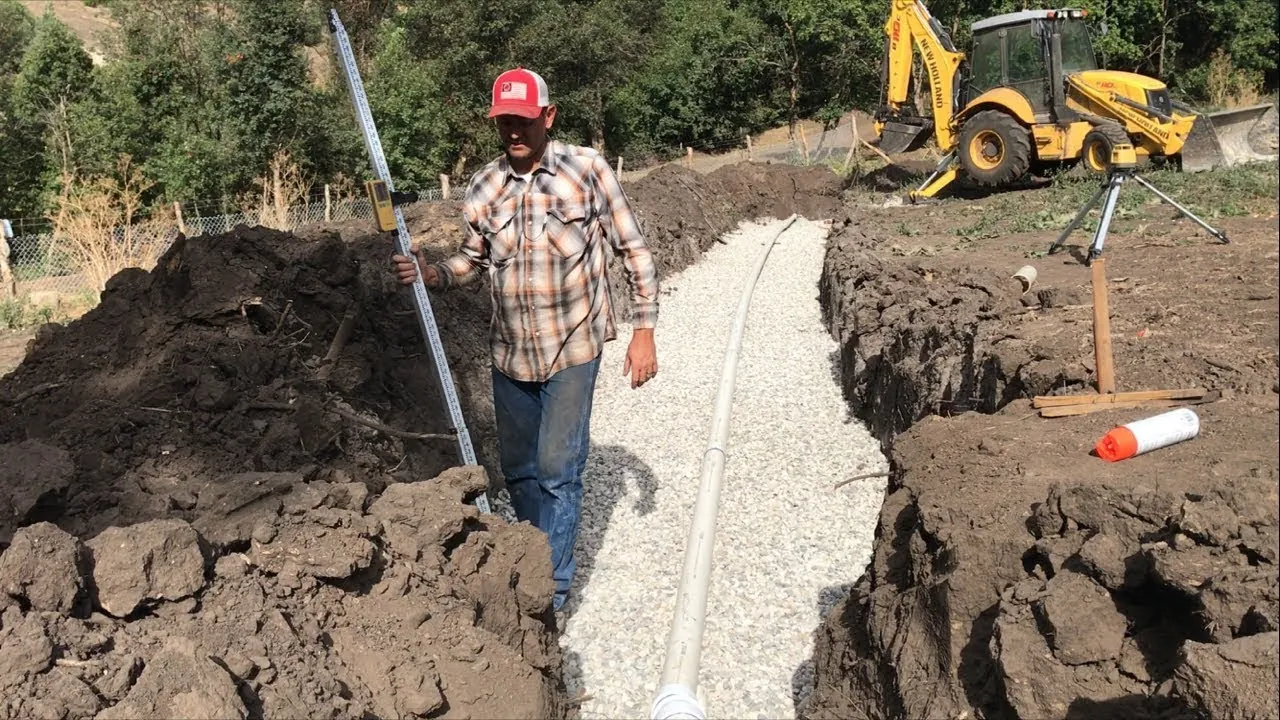
Drain field installation builds the buried trenches that carry water from your septic tank out into the soil. We build new drain fields out of Piedmont, AL, and work across Northeast Alabama and Northwest Georgia. In Alabama, each step follows the state onsite sewage rule, Chapter 420-3-1, from the permit to the inspection before cover. A home that needs a new tank as well gets a full septic system installation.
The company holds the Alabama Level II (advanced) onsite wastewater installer license. That state level covers engineered and large commercial onsite systems as well as conventional ones. Decades of septic installs sit behind the company, and our three crews dig with our own excavation equipment. We handle the permit with the county health department, and our perc test coordination lines up the soil tests. Call (256) 453-9003 for a free estimate on your lot.
Tell us about your project and we will get right back to you.
In Alabama, no one may start building a drain field until the county health department issues a Permit to Install. Before that permit is issued, the soil professional or a health department site specialist certifies the soil tests. The state health department sums it up: with the permit in hand, then and only then can construction begin. Our guide to Alabama septic permits and perc tests covers that paperwork step by step.
For a home, Alabama sizes a drain field by the Gravel Field Standard, the minimum total trench bottom area. That area is the number of bedrooms times a square feet per bedroom figure from a state table. How much water each square foot takes, the loading rate, follows the soil's percolation rate. However the math comes out, a home's primary drain field is at least 300 square feet of that standard. Our crews then build the field to the permit.
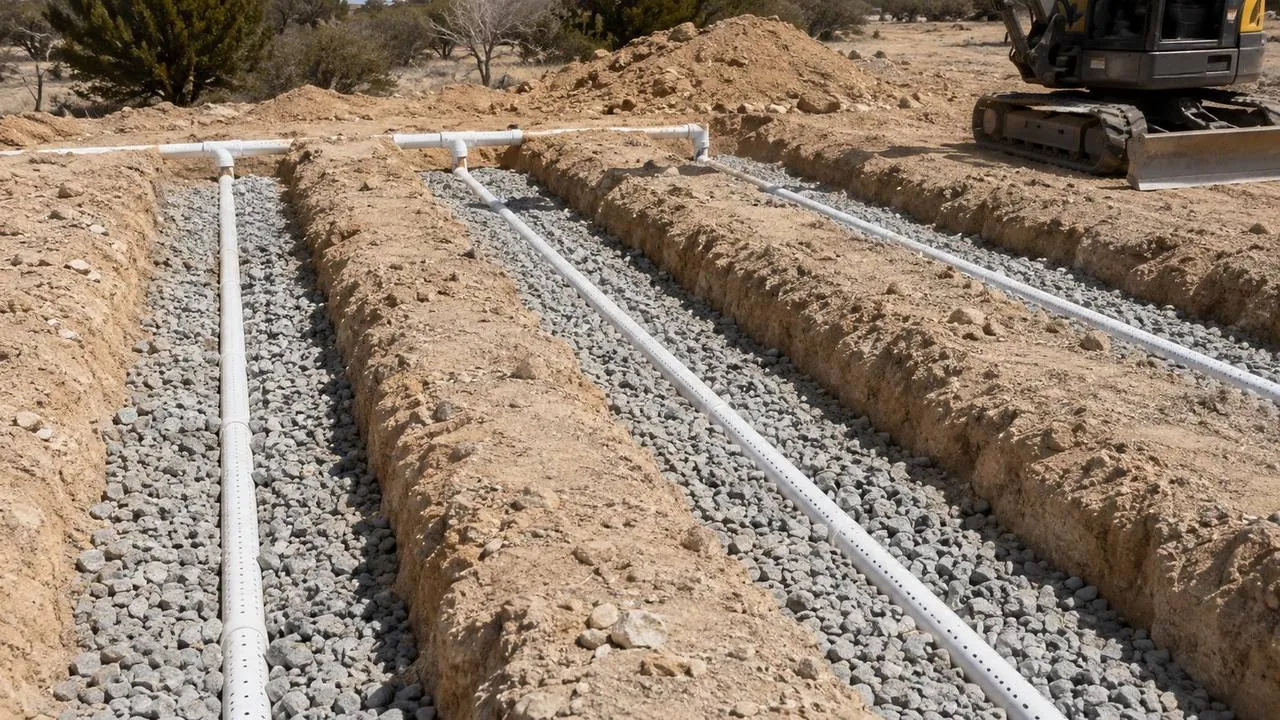
The layout has to fit your ground. A level header is used on fairly flat ground, where the trench bottoms can sit at the same elevation. When a level header will not work, serial distribution follows the contours of the land. Each trench fills to its full design depth before water flows over to the next trench down. A distribution box can split the flow instead, and the rule sets it on level grade.
Alabama sets a gravel trench at 18 to 36 inches wide, with at least 5 feet between sidewalls. It runs 12 to 60 inches deep and, outside serial layouts, no more than 100 feet long. Along any 100-foot run, the trench bottoms stay within 1 inch of each other. Washed stone, one-fourth to 2.5 inches across, goes at least 8 inches under the perforated pipe. The pipe goes in holes down, and paper or fabric covers the stone before the earth goes back.
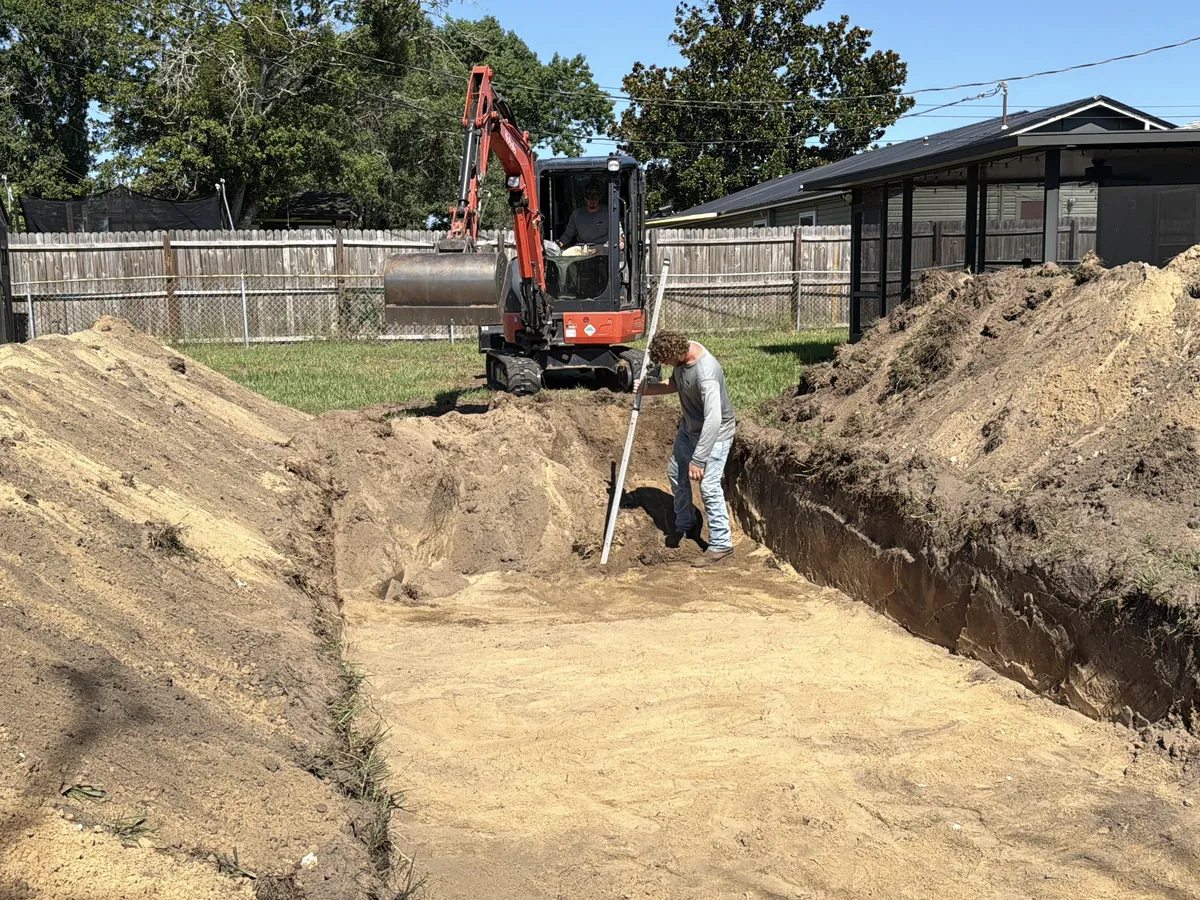
Nothing in the field gets covered until the county health department has had the chance to inspect it. We set the inspection time and date with the department's Public Health Environmentalist. On inspection day, we check in with that inspector by 9 a.m. to confirm the field is ready. Any corrections get made while the trenches are still open. Anything covered too early gets uncovered when the health department says so.
After the inspection, our crew backfills the trenches with at least 12 inches of cover over the field. The system still is not used until the county health department issues an Approval for Use. That approval comes after the field is built to a valid Permit to Install and any special conditions on it. Once the field is in service, the EPA says not to park or drive on it. It also says to route roof drains and other rainwater away from the field.
Field size is the starting point, and the bedroom count and the perc rate set it. A bigger trench bottom area means more trench to dig and more washed stone to fill it. Field type matters too, and The Septic Guide lists chamber fields at a higher range than gravel trenches. A field built along with a new tank is part of a bigger job. Our Alabama septic system cost guide covers the whole system.
The lot moves the number too. A slope over 25 percent calls for an engineer design, which adds a step before the dig. Ground that stays wet may need an engineered system or a curtain drain above the field. Rock near the surface slows the trench work, and so does a tight yard. We look at the lot and quote the job, so call (256) 453-9003 or ask for a free estimate.
Free, no-obligation estimates across Northeast Alabama and Northwest Georgia.
(256) 453-9003From the first phone call to the final grade, here is exactly how it goes.
Tell us what the system is doing, or what the new build needs. We answer questions on the phone and set a time to come out.
We look at the tank, the field, the soil, and the access. Then you get one price for the whole job before any work starts.
We file the septic permit with the county health office where the job needs one, then dig, set, and plumb the work to what the permit calls for.
The inspector signs off before anything is covered. We backfill, grade the ground smooth, and leave the yard ready to seed.
Common questions about drain field installation across Northeast Alabama and Northwest Georgia. Don't see yours? Give us a call and ask.
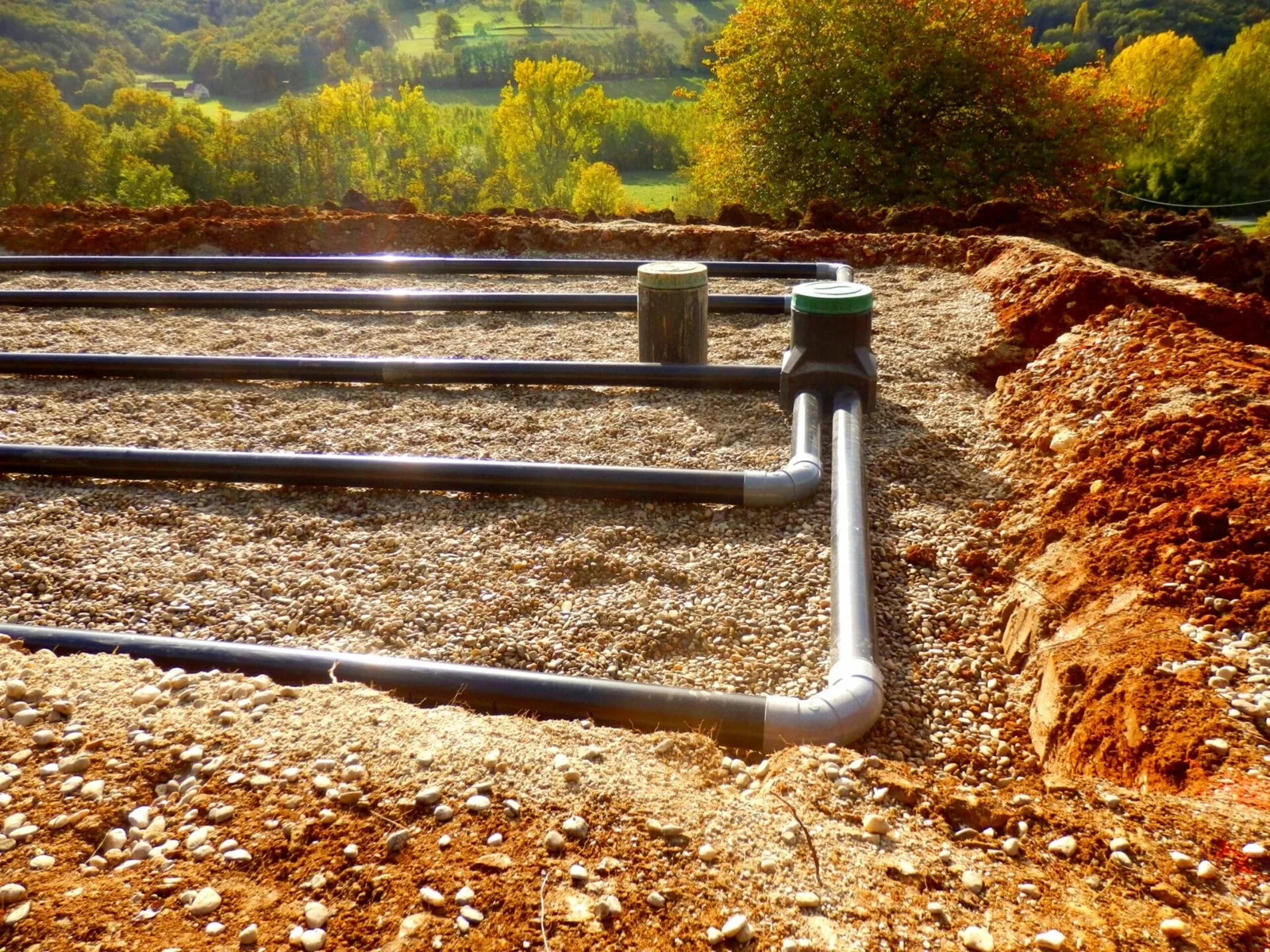
Drain field repair puts the buried field lines back to work when your yard stays wet. We repair and replace field lines across Northeast Alabama and Northwest Georgia.
View Details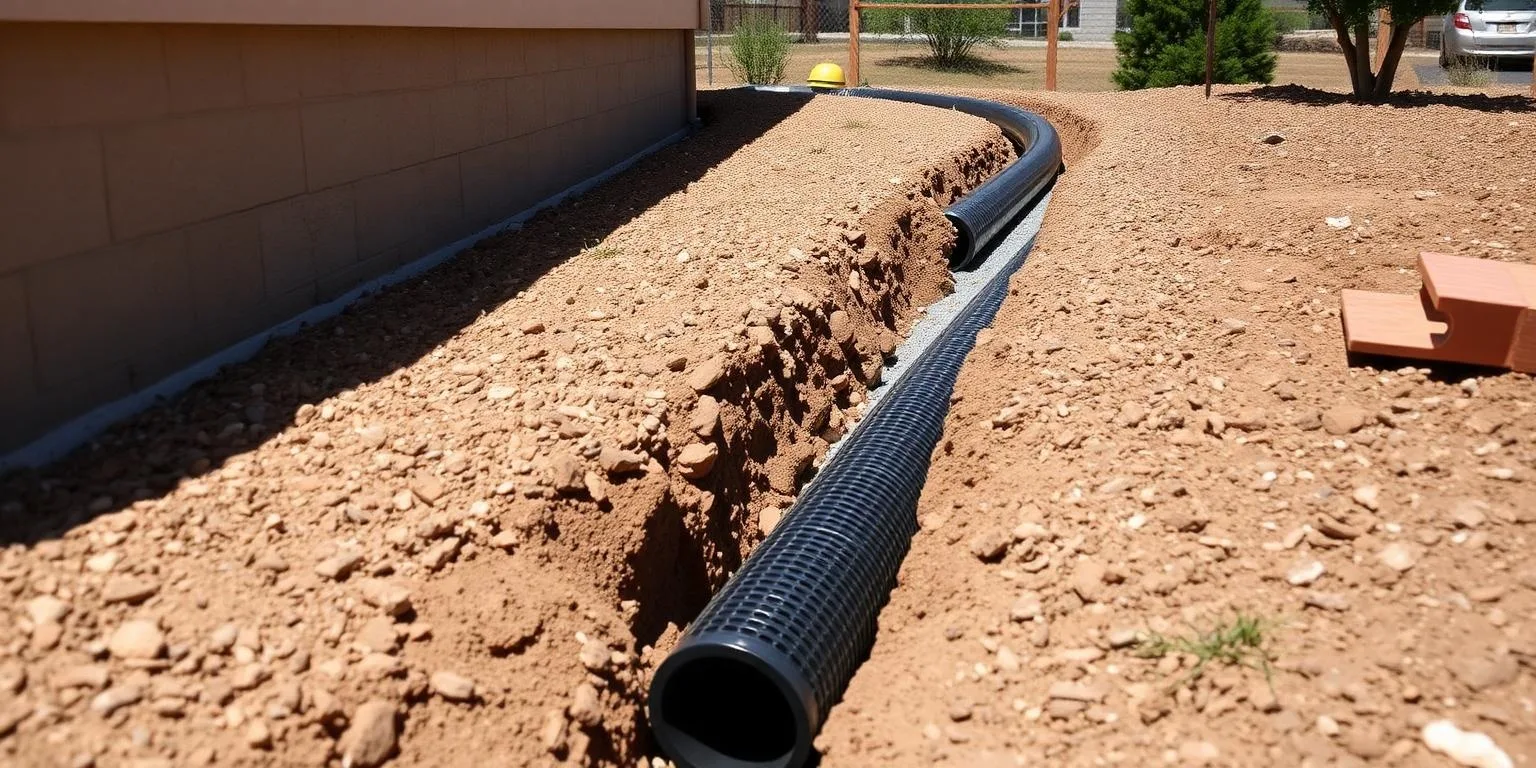
A curtain drain catches groundwater on the slope before it soaks into your drain field. We install them on wet lots across Northeast Alabama and Northwest Georgia.
View Details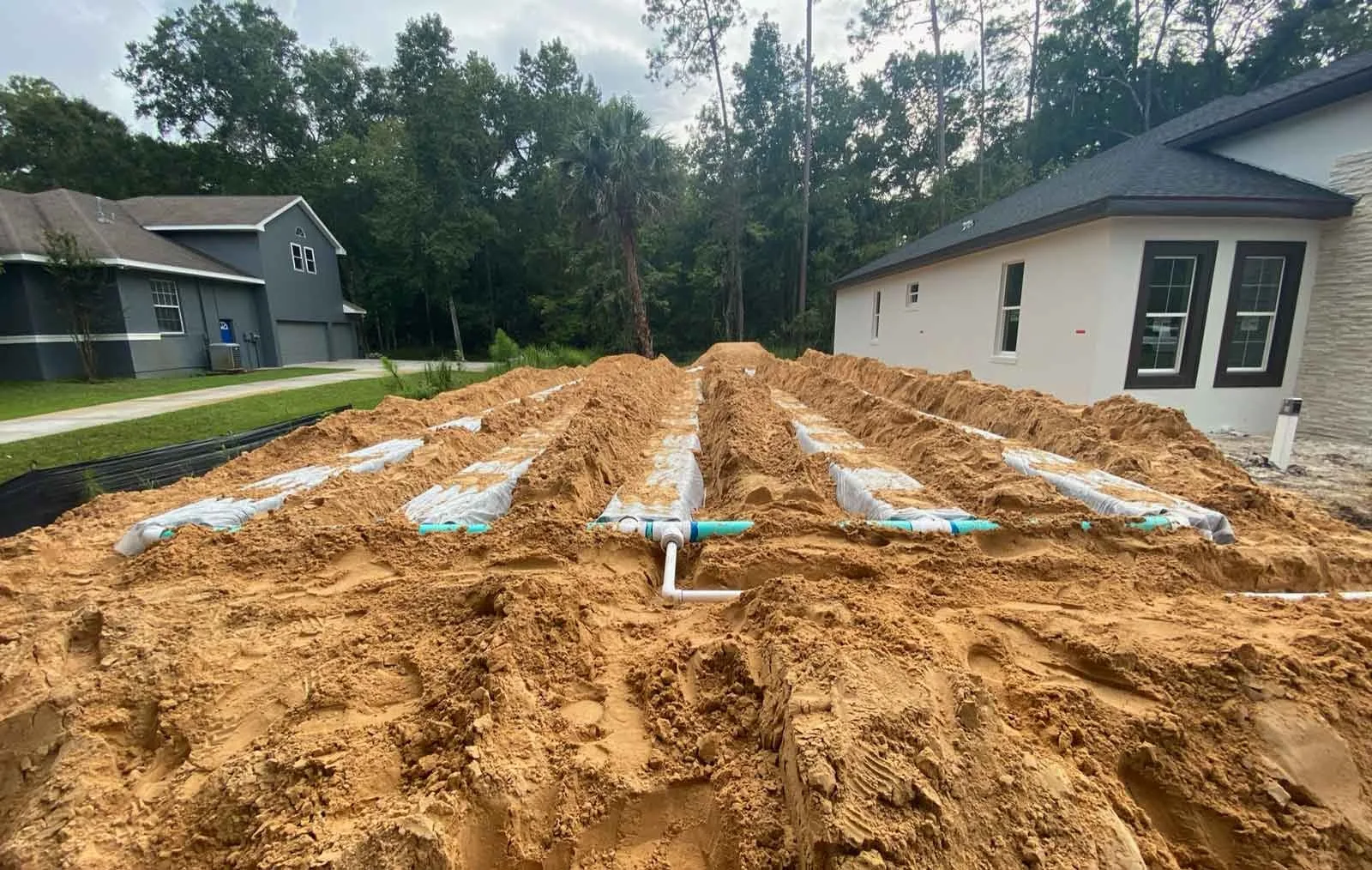
Some lots cannot take a standard gravity system. We install engineered and alternative septic systems built to an engineer's design, including pump and dosing systems.
View DetailsDecades of septic installs sit behind the company. Our crews have dug through the clay, chert, and shallow rock that sit under Northeast Alabama, and that reading of the ground shapes every system we build.
The company holds the Alabama Level II installer license, the advanced level. That covers conventional gravity systems, engineered systems for lots that fail a perc test, and large commercial jobs like schools.
Septic permits run through the county health department in Alabama and the county environmental health office in Georgia. We file the right paperwork in the right office and never cover a system before the inspector signs off.
Three crews and our own excavation equipment mean your job gets scheduled and finished. Tank, field lines, pumps, and the drainage that protects them all come from the same company.
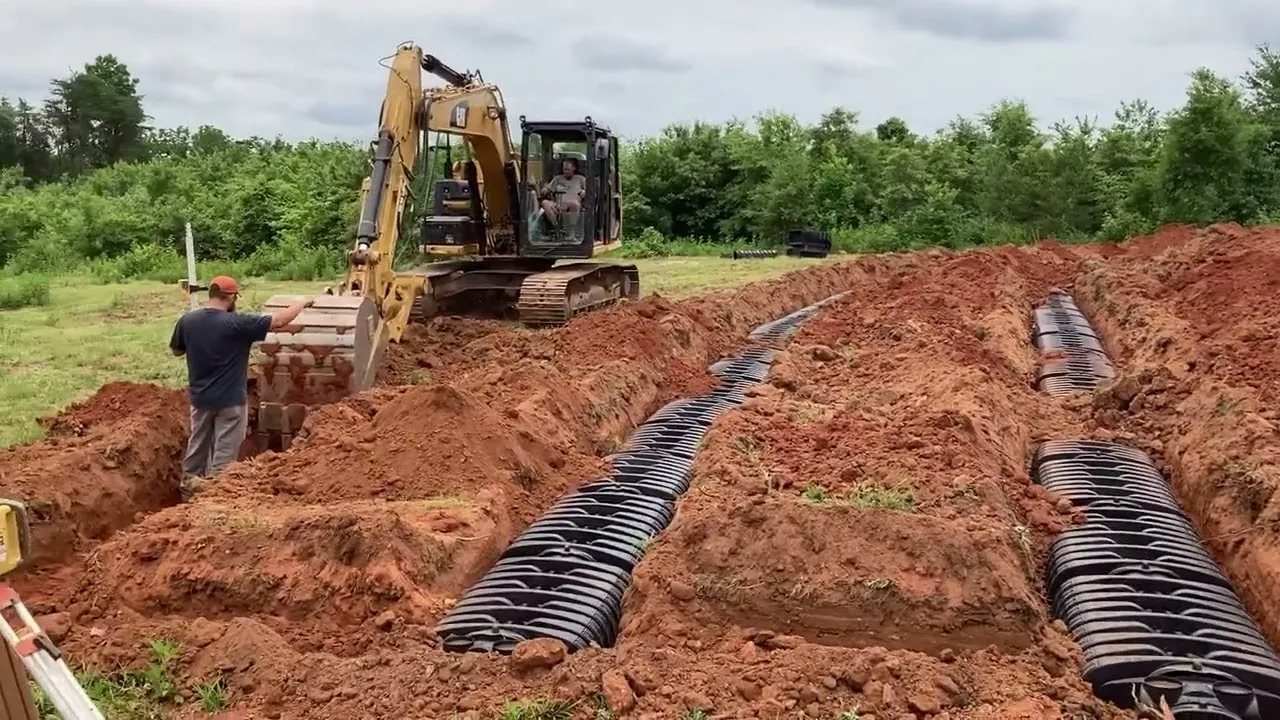
Chamber vs gravel drain field in Alabama: how each one is built, how the state sizes it, 2026 published cost ranges, and why your soil test and permit decide.
Read more →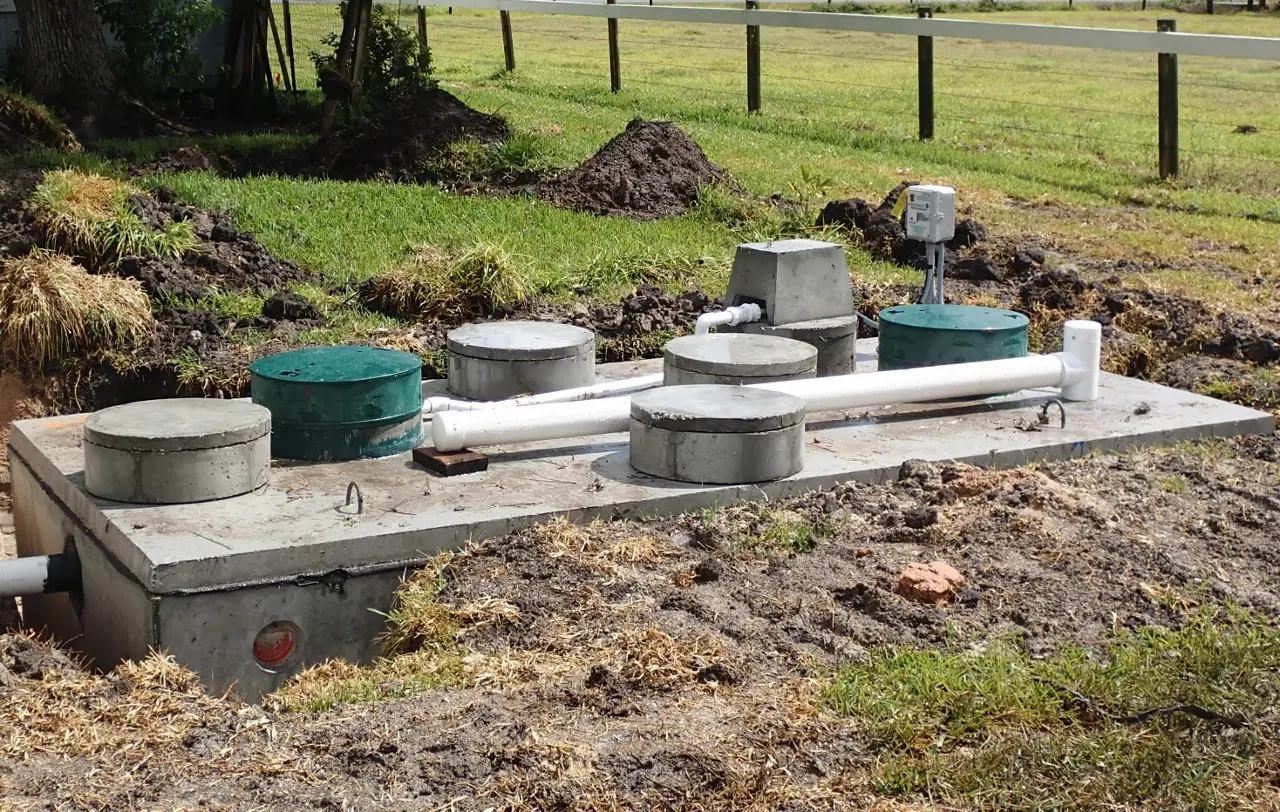
Types of septic systems in Alabama: conventional vs engineered, mound, drip, LPP and aerobic systems, 2026 cost ranges, and what decides your lot.
Read more →A new build that needs a septic system, a tank that is overdue for a pump out, or a drain field that will not dry up? Call or send the form and we will look at the job with you and price the whole thing. The estimate is free.
Tell us about your project and we will get right back to you.